

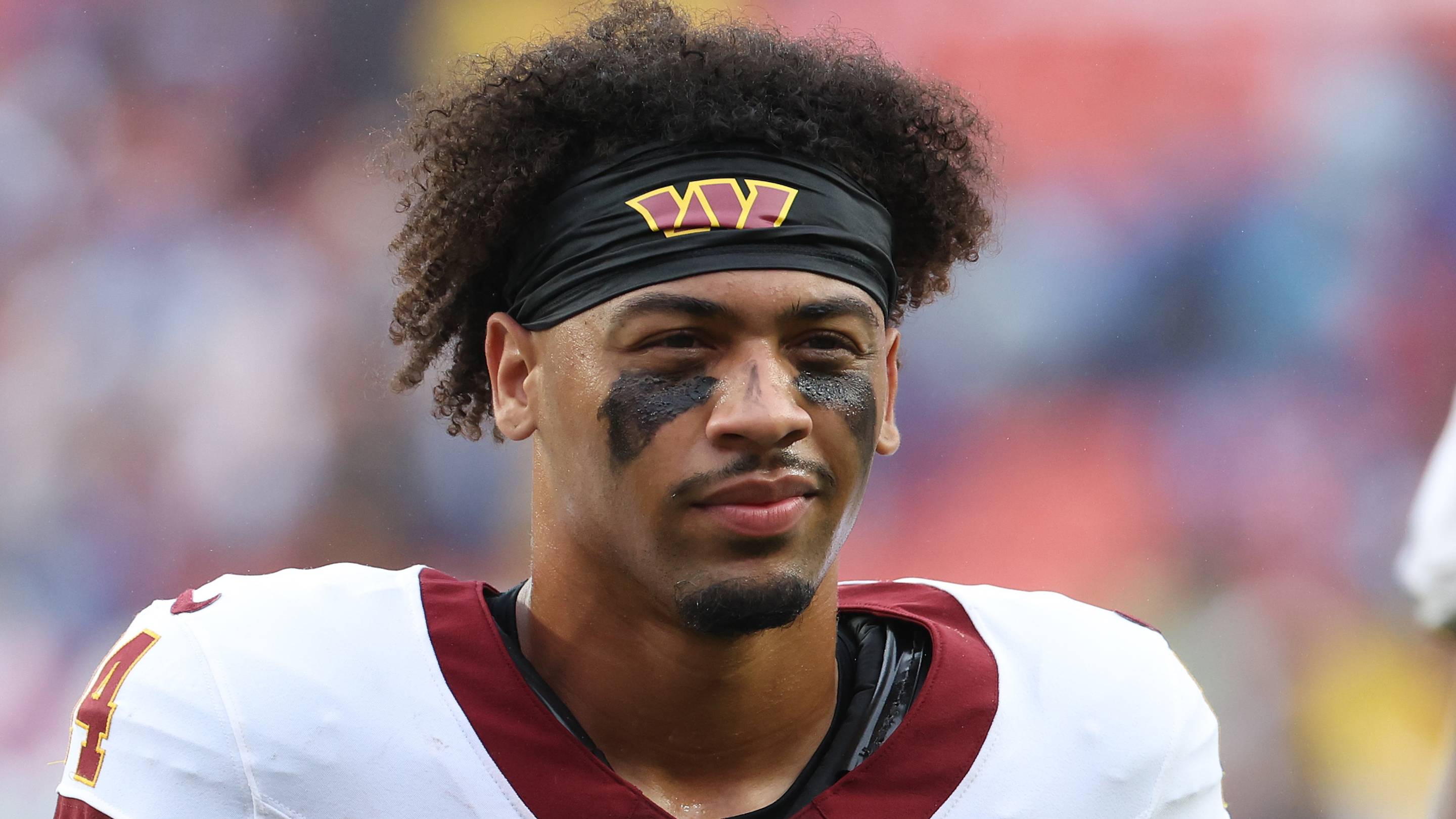

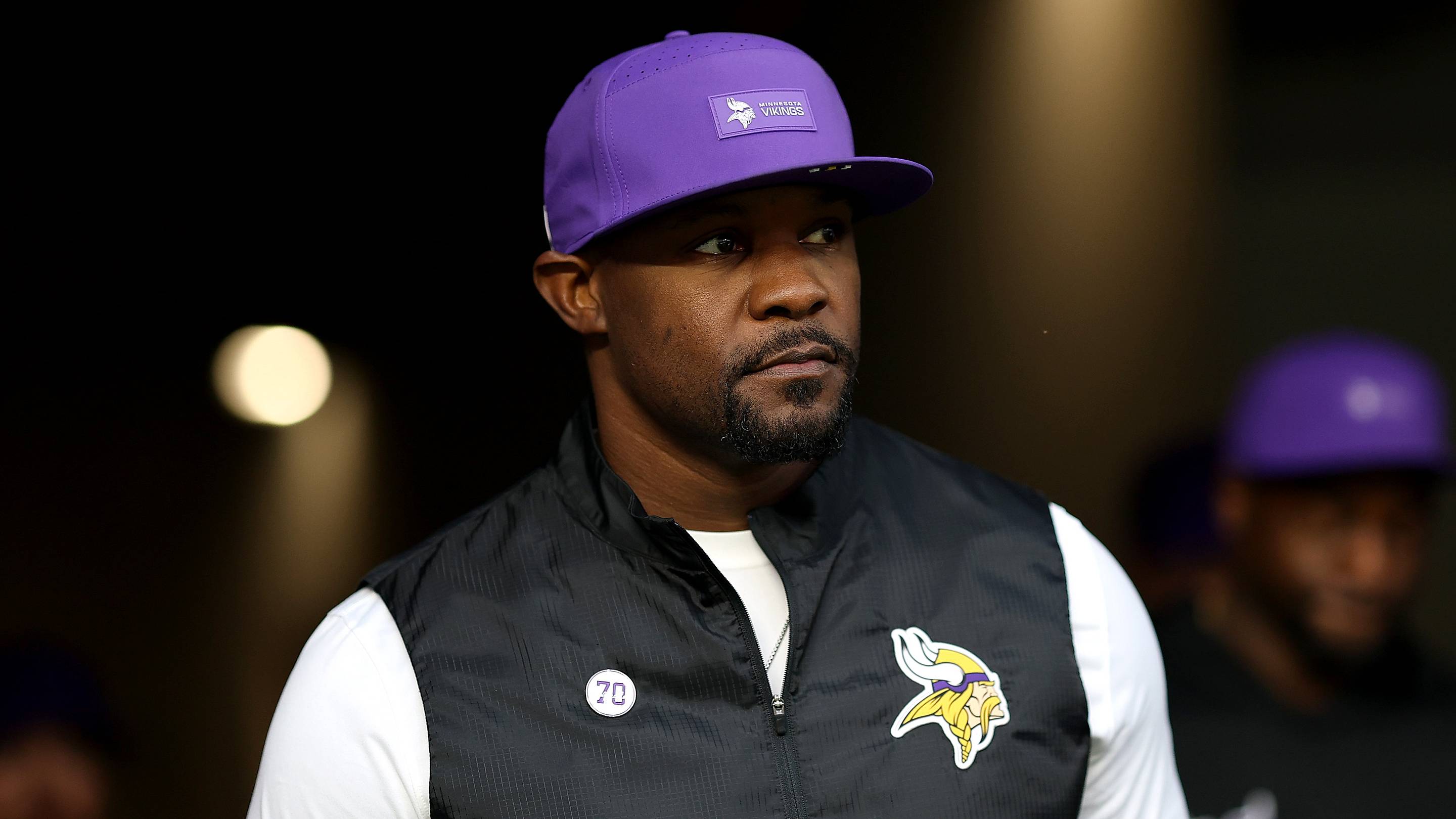




There are many excellent return specialists today in Hester, McGee, Cribbs, Carr, Rossum, Davis, Hall, and many more. Some specialize in returning mainly punts or kickoffs. Some do both.
First we start with the best kickoff AND punt returner in NFL history:
Brian Mitchell
Brian was a college Quarterback who was drafted in the 5th round of the 1990 draft by the Washington Redskins. He was converted to Running Back, but did his major work as a return specialist. Brian split return duties with 2 other players in his rookie season, but did rush for a TD on 15 attempts. Taking over the full time return duties the next season, Brian led the NFL with 600 punt return yards and 2 touchdowns. He also averaged 13.3 yards per return, helping the Redskins win Super Bowl XXVI. He was selected to his first All Pro team that year. Mitchell then scored on a career long 84 yard return the next season. Brian led the NFL in all purpose yards 4 times from 1994 to 1998. In 1994, he led the NFL with a career best 14.1 yards per punt return average. He also led the NFL with 2 punt return touchdowns. Brian also piled up a career high 1,478 kickoff return yards, while averaging 25.5 yards per return. He would then make the All Pro team. 1995 would be Brian's last All Pro season, when he averaged a career best 25.6 yards per kickoff return, and scoring off of a punt return. Brian scored his first kickoff return touchdown in 1997, and he also scored on a punt return. Mitchell scored on a career long 101 yard kickoff return in 1998. Brian joined the Philadelphia Eagles in 2000. He played 3 seasons with them, and scored a touchdown on both a punt return and kickoff return in 2 of those years. 2003 would be his last NFL season, which he played with the New York Giants. Brian ran for 1,967 yards and 12 TD's at an impressive 5.1 yards per carry average for his career. He also caught 255 passes for 4 TD's. Brian got to throw 18 passes in his career, and completed 7 of them. He threw a TD on the last pass of his career. He also recovered 20 fumbles on special teams in his 13 year career. His 23,330 total yards ranks second All Time. He averaged 23.1 yards per kick return on 607 returns, scoring 4 times. He also averaged 10.8 yards per punt return on 463 attempts. Brian Mitchell holds MANY NFL records. His 19,013 total return yards is a record, as is his 14,014 kickoff return yards, and his 4,999 punt return yards. His 1,070 kick returns are the most ever, and his 9 punt return touchdowns is the second most ever in NFL history. Brian's 2231 fair catches are the most ever, and his 33 in one season is also an NFL record. He is one of just 4 players in NFL history to gain over 2,000 yards four times in his career. Brian Mitchell BETTER NOT wait long for his induction into the Pro Football Hall of Fame!
Here is a list of other greats you hopefully haven't forgotten :
Kickoff Returners
Ollie Matson
Ollie was drafted in the first round by the Chicago Cardinals in the 1952 draft. Many NFL fans who know their history, know that Ollie played Halfback, Fullback, Flanker, and Kick Returner throughout his 13 year Hall of Fame career. Coming off of winning 2 medals in the 1952 Olympics, Ollie was used primarily as a kickoff return specialist in his rookie season. He did get 96 carries and 11 receptions that season, and scored 6 touchdowns. He also averaged 31.2 yards per kickoff return, and scored twice. His 2 TD's, and 100 yard return, led the NFL. Matson was Co-NFL Rookie of the Year, and was named to his first All Pro team. He led the NFL in all purpose yards the next year, while scoring on both a punt and kickoff return. Matson followed that up with a league leading 245 punt return yards in 1955, while averaging a career best 18.8 yards per return that also led the league. Matson led the NFL in all purpose yards in 1957, and scored on a career best 105 return. Ollie led the NFL with a 35.5 yard per kickoff return average in 1958, and scored twice. Ollie then was traded to the Los Angeles Rams for NINE players in 1959. He played for the Detroit Lions in 1963, then for the Philadelphia Eagles in 1964. He then retired after the 1966 season with 5,173 rushing yards and 40 TD's, 222 receptions for 23 TD's, and 3 TD's off punt returns. Matson averaged 26.2 yards per kickoff return for his career. Ollie Matson's 6 kickoff return touchdowns are an NFL record.
Mel Gray
Mel was a 2nd round draft pick of the New Orleans Saints in the 1984 Supplemental Drat. Though some confused his name with Saint Louis Cardinals legend Mel Gray, a Wide Receiver in the 1970's, this Mel was spectacular in his own right. Mel was used mainly as a kick returner in his career, though he did score 1 touchdown on 19 career rushing attempts. Mel's rookie season saw him score a touchdown on a league long 101 yard kickoff return. He averaged 27.9 yards on 31 returns. Gray then assumed punt return duties the next year, and led the NFL with a 14.7 yard per punt return average. He also had a career best 80 yard return. Mel scored a touchdown on a punt return the following season. Gray joined the Detroit Lions in 1990, and would make his first All Pro team that year. He repeated that honor in 1991, when he led the NFL with a career best 15.4 yards per punt return. He also scored off of a 78 yard return. Gray also led the NFL with 929 kickoff returns yards and a 25.8 average. In 1992, Gray led the NFL with 42 kickoff returns. He scored a touchdown off of a punt and kickoff return, while making the All Pro team. On 1993, Mel scored on a 95 yard kickoff return. Mel led the NFL with 3 kickoff return touchdowns, and a career best 28.4 average. He also led the league with a career high 102 yard kickoff return. Mel then played for Houston Oilers and Philadelphia Eagles over the next 3 seasons before retiring in 1997. When he retired, he had the most kickoffs and kickoff return yards in NFL history. He now ranks 3rd All Time in those categories. Mel Gray is on the NFL 1990's All Decade Team. He averaged 10.9 yards on 252 punt returns, with 3 touchdowns. Gray also averaged 24.3 yards on 421 returns. His 6 kickoff returns for touchdowns are the most in NFL history.
Abe Woodson
Abe was drafted by the San Francisco 49ers in the second round of the 1957 draft. Though Abe intercepted 19 balls, and recovered 15 fumbles, in his 9 year career for the 49ers, he made his mark as a return specialist. Woodson didn't play much in his rookie season, but he was stellar from the next year on. He would be an All Pro from 1959 to 1963. In 1959, he led the NFL in kickoff return average with 29.5. He also had a NFL long return of 105 yards, which resulted in his first career touchdown. Abe averaged 29.3 yards per kick return the following year, and led the NFL in punt return average with a career best 13.4. He also had the most punt return yards that year, with 174 yards. His 48 yard return via a punt also led the league. Woodson averaged 10.8 yards per punt return in 1961. He returned one punt 80 yards for a score. Abe also averaged 29 yards per kickoff return, and scored on a 98 yard return. Woodson then led the NFL with 37 kickoff returns, a career best 1,157 yards returned, and a 31.3 average in 1962. He also had an NFL long 85 yard punt return, which culminated in his last punt return touchdown of his career. Woodson also scored the only defensive touchdown of his career that year, when he took a fumble in for a score. Abe scored an NFL leading 3 kickoff return touchdowns the next season, and led the NFL with a career best 32.2 average. Woodson continued to be one of the best kick returners in the league the next 2 seasons, before giving up the duties for his final season in 1966. Abe Woodson retired with 1 defensive TD, 2 TD's off punt returns, and 5 off of kickoff returns. His career average of 28.69 yards per kickoff return ranks 3rd all time. Abe Woodson led the NFL in kickoff return average 3 times, which is an NFL record.
Gale Sayers
Most people, who follow football, know Gale is in Canton. He only returned 91 kickoffs and 27 punts in his career, no one ever maximized their returns better in NFL history than Gale. He scored an NFL record 6 touchdowns on kickoff returns, and 2 more on punt returns. Sayers averaged 14.5 on punt returns, and had an NFL long of 85 yards in his 1965 All Pro rookie season. He also 31.4 yards per kick return, and was the runaway winner of the Rookie of the Year Award. Gale was far from done, because he took two kickoffs for touchdowns the next year, and led the NFL with a 31.2 kickoff return average. In 1967, he only returned 3 punts, but took one for the last punt return touchdown of his illustrious career. He only had 16 kickoff returns, but took 3 of them for scores. He also had a career long return of 103 yards. Sayers led the NFL in all purpose yards in his first 3 seasons, and was an All Pro in all 5 seasons he played special teams. Gale Sayers 30.56 yards per kickoff return for a career is an NFL record.
Lynn Chandnois
Lynn was the Steelers first draft pick of the 1950 draft. Lynn did catch 162 passes for 2012 yards and 7 touchdowns, to go with 1,934 yards rushing and 16 touchdowns, in his seven year NFL career with Pittsburgh. He also completed 19 passes on 59 attempts for 2 touchdowns, and had 66 punt returns. He made his major mark, however, as a kickoff return specialist. He averaged 29.3 yards per kick return as a rookie. Lynn then led the NFL the next year with a 32.5 yard average. In 1952, Chandnois led the NFL again with a career best 35.3 average. He also scored 2 touchdowns, including a career best 93 yard return. He was named to his first All Pro team, and was the 1952 NFL Player Of The Year. Lynn was named to his final All Pro team the next year, when he averaged 29 yards per return. He almost matched his career best of 93 yards, when he scored the last kickoff return of his career. Lynn retired after the 1956 season. Lynn Chandnois ranks second in NFL history with a career average of 29.57 yards per kick return
Bobby Jancik
Bobby was a 19th round draft pick of the Houston Oilers in the 1962 AFL draft. Bobby played 6 seasons, and is one of the best kick return specialists in AFL history. He led the AFL in kickoff return average as a rookie with 30.3. He led the AFL in the next year with a career high 45 kickoff returns for a career best 1,317 yards. His 29.3 kickoff return average also led the AFL. In 1964, Bobby scored the only touchdown of his career, when he took a punt for a league leading 82 yards. He also had a career best 18.3 average on punt returns. In 1966, Jancik led the AFL with 34 kickoff returns for 875 yards. Bobby then retired after the 1967 season. Jancik did intercept 15 passes in his career, as well as averaging 9.7 yards on 67 punt returns. His career average on kickoff returns is an exceptional 26.5 on 158 attempts.
Bruce Harper
Bruce was a local kid who went undrafted in 1977. He signed with the New York Jets. By the time Bruce retired in 1984, he was the Jets All Time Leader in kickoff return yardage. He burst onto the NFL scene immediately. Harper led the NFL in kickoff return yardage in each of his first 3 years, which is an NFL record. He also led the NFL in kickoff returns in each of his 3 seasons. He led the NFL in all purpose yardage in two of his first four seasons. Harper had one touchdown on special teams in his career, which came from a 82 yard punt return in 1978. He was also noted for his pass receiving ability, and was one of the top 3rd down running back in the AFC for a few years. When he retired after the 1982 season, he had 220 receptions, and 1,829 yards rushing. He scored 20 touchdowns on offense in his career, and averaged 22.3 on 243 kickoff returns.
Timmy Brown
Timmy was a 27th round draft pick by the Green Bay Packers in the 1959 draft. He only was on the roster for one game in his rookie year, and did not accumulate any stats. He then joined the Philadelphia Eagles the next year. He played very sparingly, but did have a 79 yard kick return on 11 attempts. 1961 would be the year Brown got his chance. He led the NFL with 29 kickoff returns and 811 yards. He scored on a 105 yard return, which still stands as an Eagle franchise record. He also scored the only punt return touchdown of his career on just 8 returns. Brown led the NFL in all purpose yards in 1962 and 1963. In 1962, Brown caught 50 balls and averages an impressive 16.3 yards per catch. He led the NFL in kickoff returns and kickoff return yards in 1963, with 33 attempts for a career high 945 yards. He was also named an All Pro in 1962, '63, and '65. He led the NFL with a yards per rushing average of 5.4 yards per carry, as he ran for a career high 861 yards. Brown scored on 2 kickoff returns in 1966, which is a NFL record he shares with five others. Timmy got injured in the 7th game in 1967, and missed the rest of the year. He joined the Baltimore Colts the next year, and helped the Colts win the NFL Championship before they went on to lose in Super Bowl III. He retied after that season , and has enjoyed a fine acting career. Timmy was in both the movie and TV version of M*A*S*H. Timmy Brown rushed for 3,862 yards and 31 TD's, while catching 235 passes for 3,399 yards and 26 TD's. His 14.5 yards per catch is very impressive for a running back. He also averaged 26 yards on 184 kickoff returns. His 5 kickoff return touchdowns is tied for the second most in NFL history.
Travis Williams
Travis was a 4th round draft pick by the Green Bay Packers in the 1967 draft. Travis played just 5 seasons in the NFL, but his impact has him in the record books. Travis returned 4 kickoffs for a touchdown as a rookie, which is the most by a rookie in NFL history. It is also tied with Cecil Turner as the most ever in one season. He averaged an amazing 41,1 yards per kickoff return, which led the NFL., and is the highest average ever by anyone. He also gained 188 yards at a 5.4 average and scored once. Travis also averaged 16 yards on 8 catches, scoring once, while helping the Packers win Super Bowl II. In 1969, Williams scored on a 96 yard kickoff return, while leading the NFL with 1,517 all purpose yards. He also returned the first 8 punt returns of his career, and scored on a 83 yard return while averaging a career best 23.6 yards per return. He also led the Packers with 536 rushing yards, and ran for 4 TD's. Travis also led the Packers with 27 receptions, while scoring 3 times. Williams got hurt in the 7th game of the 1970 season, and missed the rest of the year. He joined the Los Angeles Rams the next year, and led the NFL with a 29.7 kickoff return average on 25 attempts. He also scored on a 105 yard return, which is tied for 3rd longest All Time. Travis then retired after that season. His 6 kickoff returns are the most in NFL history, tied with 4 others. He also has the longest kickoff return in Rams history. He averaged 27.5 yards on 102 kickoff returns.
Cecil Turner
Cecil was drafted in the 5th round of the 1968 draft by the Chicago Bears. He spent his rookie year as a reserve flanker, catching a career high 14 passes. He scored the only two receiving touchdowns of his career, taking one for a career long 80 yards. Cecil averaged 32.6 yards per kick return the next year, with a long of 74 yards. Now, primarily used as a kick returner, Cecil exploded in 1970. He made his only All Pro team, when he set an NFL single season record by taking 4 kickoffs for touchdowns.He averaged a career high 32.7 yards on 23 returns.They would be the last touchdowns of his career. He never came close to matching anything like that in his career, and was out of the NFL after the 1973 season. Still, no one can take away what Cecil Turner accomplished in his magical 1970 year.
Deserve Mention : Roy Green, Raymond Clayborn, Darrick Vaughn, Tamarick Vanover, Andre Coleman, Jon Vaughn, Ron Brown, Michael Bates, Bobby Mitchell, Ron Smith, Al Carmichael, Tyronne Hughes, Marshall Goldberg, Woodley Lewis, Tony Horne
TOMORROW : THE PUNT RETURNERS
Monday, September 15, 2008

Saturday, September 13, 2008
Tony Wants To Have Brett's Baby
I decided to bring one of my infrequent series over here. It's kind of like a TV re-run not many saw the 1st time.
As ridiculous and revolting as the thought of a Britney Spears comeback, it's time for POINTLESS PONDERING. That lipsticked pig waiting on a big sloppy kiss from a penguin.
Did anyone watch the Packers game Monday night? I don't know what was more obscene : ESPN's pre-game show all waving, "Hi" to Brett Favre, after theorizing he was watching, or Tony Kornholes relentless blubbering all game long. ESPN loves Favre, and tell their talking heads to blather incessantly about him as much as possible. It got rather sexual, at one point, and both of the other talking heads had to plead for Tony to give it a rest. I wonder if they got reprimanded for that? I have long told you before what a lousy journalist Kornhole, the WORST broadcaster in MNF history, is here in D.C. He started out in the Style section, which is about dresses, flowers, and other similar subjects. After a mass exodus of the good writers from the Washington Post, they had to fill spots. They let Kornhole do his lame Jack Benny impression once a week, and promoted Chicago homer Michael Wimponandonandon. Brett loves attention. His countless texting to his media buddies, including Kornhole, is proof. Still, I imagine even he was sickened to his stomach over that on-air fellatio fest.
I know The Dan looks at players like trading cards you buy at a store. His lapdog, Vinny Cerrato, is about as clueless himself. There are about 5 holes to be filled on the Redskins defense right now. I imagine it will be worse next year. I see one VERY EASY step towards getting better. Shawn "Lights Out" Merriman is a D.C .born and bred man. He even went to college at Maryland University. It is obvious the San Diego Chargers do not plan on keeping him beyond this season, as his contract expires then. They invested a lot of money into his backup, Jyles Tucker. as well. Dan? GO GET SHAWN! He can easily afford to take a chance on him! I understand the ghost of Levar Arrington still haunts Redskin Park, but this guy is on another level. He may take to 2010 to get it all back, but even now he is better on one leg than what the Redskins have at his position.
Are you as annoyed by these sideline "reporters" as I am? They add NOTHING to the game, nor it's ambiance. They generally ask the dumbest softball questions imaginable. I'm not saying females don't belong on the gridiron. They do! The best football broadcaster ESPN probably has is Pam Ward. Leslie Visser is one of the best sports journalists of our time, male or female. There are many other greats, from Robin Roberts to others. The problem is the networks sacrificing substance for eye candy. Listening to, "How do you feel right now?" after a game is the old standard moronic question. This statement SURELY applies to most of the males handling this job as well. I think that the ex-athlete doesn't always do better, but some do. Tony Siragusa is outstanding at times. His passion for the game shines through the microphone. His observances are usually spot on as well. He had noted the Rams sideline showed no spirit versus the Eagles well before the blow out ensued. My only point is that the networks must get off the "eye candy" trip, and put people down there who love the game more than their image. If that is impossible, then get rid of them and quit wasting our time while stabbing our brains with this mind numbing rot.
What in the heck was CBS thinking this last Sunday? It was opening day for almost every NFL team, and fans everywhere were waiting on this day. What does CBS give their viewers? A sport less popular than poker ratings wise. Other than the Williams sisters, has tennis had any luster since McEnroe, Connors, Nastase, and other characters retired? We have had robots named Sampras and Federer since. I can only assume CBS did this for wives everywhere. What better excuse to tell the hubby to mow the lawn or paint the house? I mean, the options were to either watch the Cowboys dominate the Browns or fall into a coma watching the US Open. Infomercials were more exciting that day.
I hardly yammer much on college football. I dislike the BcS, but finding a formula that truly works seems impossible for so many teams involved. The best players get paid big cash by the bigger programs. Two of them, Ohio State and USC, face off in a few hours. I like watching the smaller schools take these programs down a peg whenever possible. Watching East Carolina has been fun. Considering I am a Maryland Terrapin fan, I have to find my college football fun anywhere I can right now. I often have said the free education, boarding, food, and books were more than generous, but the cash flow is so huge now that kids get paid better than most of population pulling 40 or more hours a week. That, of course, is in addition to the free ride for four years. The NCAA has this garbage committee pretending to enforce rules, but they are dirtier than any school out there.
Baseball is finally winding down the regular season. This has almost been a mundane year, but that is the way MLB wants it after all the steroids rabble. The best part of this season is the Tampa Bay Dev...er...Rays. After years of futility, this franchise has their team on the cusp of their first AL East Pennant. I can only imagine that the Red Sox Nation is rooting against that thought, and probably not as hard as they could. I am assuming the Manager of the Year trophy already has Joe Maddon's name engraved on it right now. It would be ludicrous if it weren't. Personally, I would like to see his team go against his former team, the Angels, for the right to go to the World Series. Tampa Bay winning it all would be very good for baseball.
One term, in sports, I think is used too often is "warrior". Kobe Bryant released a statement on his website that he was eschewing surgery on an injured digit. The media followed this with terms like "warrior". PUH LEEZE! He plays a child's game for millions of dollars. I appreciate terms like "grit, determination, and fortitude". Those work. "Warrior" does not apply to sports like basketball, tennis, badminton, bowling, or baseball, and other finesse sports. Football is borderline to the point one is stretching the terminology. Boxing, Martial Arts, Extreme Fighting, and maybe even wrestling (not professional), possibly, can use that word. Trying to over hype images and tell us who we should call our hero's is a bad move. There are many art forms in all sports. Let us smear them with grandeur they don't deserve nor earn.
Below is a video that is disturbingly funny.
http://www.thedailyshow.com/video/index.jhtml?videoId=184084&title=the-best-fking-news-team-ever
Welp, it's about that time to make like a baby and head out. Like they say in ol' Mexico : A.M.F.
Friday, September 12, 2008
Boogers I Wouldn't Pick
This is yet another old TSN post no one read. It is funny how it really isn't that outdated, even though it was written in March.
1. People Who Are Anti - Al Davis.
Funny how times have changed. There is only one guy who has done more for the Pro Football than Al. That would be NFL founder = George Halas. Towards his end, the Bears had teams far worse than what Oakland's putting out there. Did Bear fans or EVEN NFL fans tell him to go? HELL NO! Respect earned must be given. It was George's team, and only still played football because of him. The same can be said for Al Davis! The Raiders had eight owners in 1960 - 62, and were playing in Candlestick Park, not Oakland while Al was coaching tight ends for the LA Chargers. Al took over in '63 and SAVED the franchise and soon had the AFL go from drawing 29,000 at their Championship to drawing over 60,000, forcing the NFL to beg them to unite. Al brought EVERY team from the AFL to the NFL. Can the WFL, USFL or XFL even claim ONE team? Back then, the NFL had quotas on black players - only a certain number at certain positions allowed. Al had the AFL drafting out of black colleges and there were no quotas. Eddie Robinson sent eighteen Grambling players to the AFL, compared to only fourteen in the NFL in the 60's. The AFL had the first black starting quarterback, middle linebacker, and place kicker under Al's guidance and leadership with Hank Stram's support. Many know Al hired the first black head coach, and the first Latino head coach, as well as the first female team president. Al is very loyal to his players, as exemplified by the Tommy Kelly re-signing, even though Kelly is rehabbing a bad knee. Al has been asked by NINE former players to make their induction speeches into the NFL Hall of Fame. Al has been, and continues to be, good for the NFL. The NFL can thank Al too as they cash their paychecks for several reasons. Imagine if he kept the AFL going...it was a more exciting brand of football back then....would the NFL be where it is today? HELL NO! I'm no Raider fan, but I respect the facts, and I LOVE FOOTBALL. If your against Al Davis, you are against football!
2. Selfish Athletes Who String Their Teams Along.
They don't realize they are coming out as clubhouse cancers, perhaps. Maybe they do realize the results of their actions after all? Last year, three future Hall of Fame football players strung their teams out until training camp before deciding to inform their teams that they would return. What happened to professionalism? Has the ego of today's athlete grown so much that vanity comes before teamwork? Does everyone want to be a diva instead of a champion? This year, two of those three are again stringing their teams along as the draft rapidly approaches. Why allow the team to build in the right areas when it's all about you. Right?
3. Marion Jones Sits In A Jail Cell, But Clemens And Bonds Contemplate Playing Another Season While Roaming Around Free.
This is, without doubt, the most sickening happening occurring right now. The media says nothing, which adds to the atrocity. The message being left by our government to our youth is to lie to be free. Tell the truth and get the ball and chain. Charles Barkely often says that athletes are not role models. Well, neither is our court system, our representatives, nor our laws, or Constitution. In the words of George Carlin," It's All Bullshtuff And It's Bad For You".
4. Ocho Cinco Goes Several Steps Beyond Sprewell.
Current Cleveland Brown defensive lineman Shaun Smith was a member of the Cincinnati Bengals during a Wild Card playoff loss to the Steelers in January, 2006, which is mostly known for Carson Palmer blowing out his knee on a low hit in the first half. Smith claims Chad Johnson took several swings at the coaching staff during halftime. He claims Johnson broke glass in the training room when he missed hitting Head Coach Marvin Lewis on the first swing. He says Johnson hit Lewis in the eye with a second punch, then tried to attack former wide receivers coach Hugh Jackson. Johnson denies it, of course, since he is seeking another team to be interested enough in him to attempt to trade for him. The Bengals, as usual, are silent over the matter This is just another example of either bad luck, or bad choices made by the Bengals in the Lewis era. Honestly, I more surprised Lewis continues to hold onto his job more than Johnson. Both need clean breaks, yet it is amazing further flare ups didn't occur......or did they?
5. There Have Been Rumors Lately That More NFL Teams Are Involved In Spygate.
Is Anyone Really Shocked? Goodell Continues To Come Off Creepier By The Day. Spying on other teams has been as much a part of the NFL game as weight lifting for years. George Allen was caught sending out spies when he coached the L.A. Rams. Allen was hired by the Redskins later. He hired a security guard for training camp dubbed "Specs". Specs would sneak around the camps outskirts looking for spies and purportedly caught a few Dallas Cowboys scouts in a camp site in the woods behind the teams training camp field. This is the event that started the famous Redskins/ Cowboys rivalry.
6. ESPN has jumped the shark way past the point of ridiculousness.
ESPN has a bad habit of trying to cram images down their viewers throats. They feel it is their place to tell you which sports figures to admire or follow. This week Brett Farve finally made a decision and decided to retire by calling ESPN gossip hound, Chris Mortonsen, one night. The next morning, as the networks talking heads yammered on about Favre, their infamous sports ticker on the lower screen flashed the message, "BRETT FAVRE RETIRES" continuously for 20 minutes straight. They wouldn't do that if the President of the USA was assassinated, or if missiles were on the way after being shot off by North Korea.
Wednesday, September 10, 2008
DON HASKINS

Don Haskins was better than basketball.
Though Coach may not agree with that statement, due to his modesty and how he dedicated his life to the game he loved.
Don Haskins name belongs up there with Red Auerbach, Branch Rickey, and Art Rooney Sr.
Men who knew that the ONLY race is the human race.
Men who helped make our planet, and society, a better place.
His 719 wins, 7 WAC Championships, and seventeen 20 win seasons over 39 years tell the story of a dedicated winner. The Bear had only 5 losing seasons, which is an amazing achievement.
He endured hate from media entities like Sports Illustrated, who seemed bent on trying to lessen, or destroy, his program after Texas Western won the 1966 NCAA Men's Basketball Championship.
Don just wanted to win. He wanted the best players on the floor, regardless of skin tone. He wasn't trying to pioneer any movement. He never saw the issue of skin color. Only the bigots did. The ones who try to separate us by saying skin color is a race. Don wanted to coach kids, develop kids abilities and minds, as well as win. Basketball for him, life for his players. He was quoted to have said, "I've said this many times over the last 40 years, but for a long time I thought winning the national championship was the worst thing ever to happen to me. I wished for a long time that we had never won that game with Kentucky because life would have been a heck of a lot easier for me, my school and my players."
The negativity Coach received after that win was as unbearable as the limelight thrust upon him. He was happy in El Paso, and spurned boat loads of cash from others so that he could stay where he felt most comfortable. He preferred anonymity, but was revered in town for his generosity and story telling. He was beloved on the hardwood, even by the opposing side. Respect loomed as large of a shadow for the Bear as his own image. His style of coaching was well known. So superstitious that he never watched his players shoot free throws, yet as fierce as the defenses his Miners employed game in and game out.
Growing up, Tiny Archibald was one of my favorite athletes.
Would we have seen Tiny's 34 PPG & 11 APG in 1973, one the greatest single season performance in NBA history by someone not named Wilt, without Don?
That is truly debatable.
The list of excellent players who played under The Bear is long. Nolan Richardson, Tim Hardaway, Bobby Joe Hill, David Lattin, Antonio Davis, Greg Foster, Archibald, Marlon Maxey, Jim Barnes, Gus Bailey, and many more.
Coach, and his 1966 team, are inducted into the Naismith Memorial Basketball Hall of Fame.
I hope the kids, who go to watch UTEP basketball, see that 1966 NCAA Championship banner and understand the worth of it.
Too often, we quickly forget the past.
Even when we repeat it.
Take time off from your day and recognize TRUE IMPACT!
ON SPORTS, AND SOCIETY.
African American Heroes in sports and more
This is yet another old TSN post no one read. I am giving it a second home here.
Sports has had many heroes who paved several paths for us to follow and enjoy. Through their leadership, we have progressed as a society in many ways, even if we still have a long way to go. Imagine how much further behind it could be without them . Bartolis gets credit for the inspiration of this entry. Since February is Black History Month, here is a short list of a few heroes for us to never forget. There are so many more, but I wanted to concentrate on a few trail blazers who were the first to accomplish the goals they set out to do.
Don Barksdale was the first consensus African American All American for NCAA college basketball in 1947 at UCLA. The first African American on an Olympic basketball team, the first African American to win Gold on an Olympic basketball team in 1948. He is the first NBA African American All Star , with the Baltimore Bullets in 1953. His career was over in 2 years due to ankle problems. He was also the first African American disc jockey in San Francisco radio history. He also saved school sports from going bankrupt in Oakland before his death in 1993.
Harry Lew was the first African American to play professional basketball in 1902. In a time where there were no backboard, or out of bounds, missed shots usually were followed by a scrum for the ball. Lew was considered one of the best defensive players and top double dribblers. Double dribbling was a legal part of the game then. Lew dealt with much bigotry from the fans and players, who would throw elbows and knees. He played with the league until it folded in 1905. Lew then spent the next 21 years barnstorming America with teams he organized.
William Edward White was the first African American to play pro baseball. He played one game in 1879. He is also the only former slave to have played pro baseball. He went 1- 4 with a run scored. His mother was a slave and mistress to his father. His fathers will read that his slaves 3 kids would receive educations up North. White went to Brown University. It is said he may have passed himself off as caucasian when he played.
Moses Fleetwood Walker played pro baseball in 1884. In 1883, while in the minor leagues, Walker had a run in with Cap Anson, a Hall of Fame player. Anson refused to play, or allow his team to play with Walker, but succumbed to pressure to the threat of not getting paid. Walker was said to be one of the finest defensive catchers in his time, where catchers wore no gear at all. Not even a mitt. His brother, Weldy, played 6 games with him in 1884. Walker suffered a season ending injury in July of 1884 and played in the minors in 1885 to 1886. In 1887, Walker formed the first African American battery with George Stovey. While Walker was hurt, Stovey was set to pitch against Anson and the White Sox. Anson had prevented Stovey from signing with the Giants in 1886, and complained again. This was the moment in history that most led to the segregation of baseball until Jackie Robinson joined the Dodgers in 1946. Walker went on to become an author and a prominent supporter of Black nationalism. He felt that America would never truly become integrated.
Fritz Pollard was the first African American college football player to be named to the All American team, as well as being the first to play in the Rose Bowl, in 1916 while attending Brown University. Legendary sports writer Walter Camp called Pollard, " one of the greatest runners these eyes have ever seen". Pollard, along with Bobby Marshall, were the first African Americans to play pro football in 1920. Pollard led his team to a championship his rookie season. The next season, Pollard was named co- head coach while still starring at running back. He played for 6 teams his next 6 seasons, either serving as a head coach or assistant coach while playing until he retired in 1926. In 1928, Pollard founded and coached an all African American football team called the Chicago Blackhawks. They would barnstorm America, having their greatest successes on the West Coast. Pollard was inducted posthumously into the Pro Football Hall of Fame in 2005. Pollards son, Frederick Jr., won the Bronze medal for the 110m hurdles in the 1936 Olympics that took place in Berlin.
Bobby Marshall was the first African American to play in the Big Nine (now the Big 10), while playing for the university of Minnesota. He kicked a 60 yard FG, and was inducted into the College Football Hall of Fame in 1971. He played 6 professional seasons as an End.
Lucy Diggs Slowe was the first African American woman to not only win a major sports title, but the first to win the national title of the first American Tennis Associations Championship in 1917. Slowe also was a founder of Alpha Kappa Alpha, the first sorority for African American women, while attending Howard University. She was the chapters first president and was instrumental in drafting it's constitution. Slowe then went on the teach in the District of Columbia public school system. Soon after, she was asked to create the city's first junior high school, then be it's principal from 1919 to 1922. Slowe was the first College Dean of Women at Howard University in 1922 until her death in 1937. Slowe founded both the National Association of College Women, which she led for several years as first president, and the Association of Advisors to Women in Colored Schools. Howard University has a building named after Slowe, and Washington D.C. has a school bearing her name. Her cousin, Elder Watson Diggs, was a founder of the Kappa Alpha Psi fraternity.
John Taylor Jr. was the first African American to win a Gold medal. He was part of the 400 meter relay team of the U.S.A. in 1908's summer games in Paris. Taylor died a few months later that year of typhoid fever.
Lowell Perry was not only the first African American assistant coach in the NFL for the Pittsburgh Steelers in 1957, but he was also the first scout in 1958. Perry then left the NFL to pursue a law degree in 1960. He returned to the NFL in 1966 to work for CBS and become the first African American NFL broadcaster. In 1973 Perry was appointed the plant manager of Chrysler Corporation's Detroit Universal Division - the first African American to hold the plant manager position at a U.S. automobile company. In 1975, Perry was tabbed by President Gerald Ford to be commissioner of the U.S. Equal Employment Opportunity Commission, which he held until 1976. Then in 1990 was director of Michigan's Department of Labor for six years, and director of Office of Urban Programs until his retirement in 1999. Perry started out as an All American wide receiver at the University of Michigan, where he is a member of the schools Athletic Hall of Achievement. He was drafted by the Steelers in 1953, but fulfilled his R.O.T.C. obligations first. He was ranked as high as 2nd Lieutenant. He returned to the NFL in 1956, but played only 6 games before a serious injury ended his playing career.
Charles Sifford won 19 golf tournaments in a career spanning almost 50 years. Sifford broke many barriers in his career. He got into his first PGA event courtesy of boxing legend Joe Louis, who gave Sifford his invitation. In 2004, Sifford was inducted into the World Golf Hall of Fame.
Monday, September 8, 2008
The Almost All Time Pittsburgh Steelers = Defense


NOSE TACKLE : DALE DODRILL
Dale was a 6th round draft pick by the Steelers in 1951. Dale played Middle Guard his first 6 seasons in the NFL, which is like a linebacker who fluctuates between Nose Tackle and MLB. Because of all the great linebackers in Steelers history, I decided to get Dale on the team this way. Dale played just 7 games his rookie year, but would start every game for the rest of his career after that. In 1952, Dale was named to the Associated Press All NFL 2nd Team, and scored the first touchdown of his career. He was first named an All Pro in 1953, and scored the last touchdown of his career off of a fumble recovery. Dodrill would be named an All Pro until 1955. In 1956, he was named to the NY Daily News, UPI, and Newspaper Ent. Association's All NFL Second Teams. Dale was moved to Middle Linebacker in 1957, and made his final All Pro team. He played Left Linebacker the following season and was named to the Sporting News First team All NFL. Dale moved back to MLB in 1959, then retired after that season. Though tackles were not a recorded statistic then, Dale Dodrill intercepted 10 balls and recovered 11 fumbles in his nine years with Pittsburgh.
DEFENSIVE END : DWIGHT WHITE
Dwight was a fourth round draft pick by Pittsburgh in 1971. Though Ben McGee got serious consideration, I decided to go with Dwight. Dwight earned his way into the starting lineup as a rookie. In 1972, he was named to his first All Pro team, and then made his last All Pro team the following season. He recorded his first safety, and first two inceptions of his career in 1973. In 1974, White was named the the UPI Second Team All Conference. He came down with pneumonia during the playoffs that year. He also lost 20 pounds from it. He shocked his team mates by pulling himself out of his hospital bed to play Super Bowl IX. Dwight recorded the only points of the first half, when he recorded a safety. Those were the first points in the first championship game of Pittsburgh's 41 year history. Pittsburgh repeated as Super Bowl Champions the following season, as White was named to the Pro Football Writers All NFL Second Team, and the Pro Football Weekly First Team All Conference. The Steelers would go on to win Super Bowl's XIII and XIV, as well, in White's tenure. Dwight recorded 2 safeties in the regular season, and one in the Super Bowl. He also intercepted 4 passes in his career, and recorded 55 sacks. Dwight White was not only a key member of the famous "Steel Curtain", but he is an integral part of Steelers lore.
DEFENSIVE END : BILL McPEAK
Bill was a 16th round draft pick of the Steelers in 1948. He played with the Steelers in 1049, and started two games. In 1952, he made his first All Pro team. He then was named an All Pro the following season. In 1954, he recorded the first safety of his career. In 1955, Bill also served as an assistant coach while playing. He would remain an assistant coach for the Steelers until 1958. McPeak made his final All Pro team in 1956, and recorded a safety. Bill recorded his final safety in 1957, then retired. Bill joined the Washington Redskins as an assistant in 1959. He was named Head Coach in 1961. During his tenure, the Redskins garnered the services of Hall of Famers Sonny Jurgensen, Charley Taylor, and Bobby Mitchell. He also drafted Chris Hanburger, Jerry Smith, and Len Hauss. Bill was fired after the 1965, then worked for Lions, Dolphins, and Patriots until his death in 1991.
LINEBACKER : JERRY SHIPKEY
Jerry was a eight round pick by Pittsburgh in the 1947 draft. He also played Fullback his first two seasons, and scored 13 touchdowns on 90 carries. Jerry mainly played Linebacker in 1950, but still ran for 3 touchdowns on 18 carries. He only carried the ball one more time in his career after that. Shipkey was named to his first All Pro team that year, and would be an All Pro the next two seasons as well. In 1951, Jerry intercepted a pass and scored the last touchdown of his career. Jerry joined the Chicago Bears in 1953 and retired after that season. Though David Little and Myron Pottios were strongly considered, but I picked Jerry Shipkey for his 13 interceptions for 238 yards in 5 seasons, as well as his 17 career touchdowns.
LINEBACKER : GREG LLOYD
Greg was drafted in the 6th round by Pittsburgh in the 1987 draft. He started 4 games in his rookie year, then would be a starter for the rest of his tenure in Pittsburgh. In Gregs first year of starting, he recorded 7 sacks, 3 interceptions, and 92 tackles. In 1991, Lloyd made his first All Pro team. He would continue to be an All Pro until 1995, which is the season the Steelers went to Super Bowl XXX. Greg had a career high 10 sacks in 1994. Greg suffered a knee injury in the first game of 1996, and would miss the rest of the year. He managed to play 12 games the following year before playing his final year in the NFL with Carolina in 1998. Greg was the epitome of a team player. He is a member of the Steelers 75th Anniversary Team. Greg Lloyd recorded 54.5 sacks, 11 interceptions, forced 34 fumbles, and recorded 659 tackles in 10 years as a Steeler.
LINEBACKER : MIKE MERRIWEATHER
Mike was a third round draft choice by the Steelers in 1982. He got into 9 games in his rookie year, then earned the starting job in 1983. He had 3 interceptions that year, and scored the first touchdown of his career. Mike made his first All Pro team in 1984, when he recorded a career high 15 sacks. He returned to the All Pro team the following year when he recorded 4 sacks and took an interception 35 yards for a touchdown. Mike made his final All Pro team in 1986, when he had 6 sacks and 2 interceptions. Mike ended up with the Minnesota Vikings in 1989. In 1990, he recorded the only safety of his career, and scored a touchdown off of an interception. He matched his career high of 3 interceptions the following year, and took one for a career long 73 yards. He also took a fumble recovery for a touchdown. Merriweather then scored the last touchdown of his career in 1991, when he took his only interception for 22 yards. Mike played with the New York Jets and Green Bay Packers in 1993, but only appeared in one game with the Jets. He retired after that season. Great Steelers Linebackers like John Reger, Levon Kirkland, and Chad Brown deserve mention, but I chose Mike Merriweather for his 31 sacks, 11 interceptions, and 2 touchdowns in his six seasons with Pittsburgh.
LINEBACKER : JASON GILDON
Jason was a third round draft pick of the Steelers in 1994. Jason started just 1 game in his first 2 seasons, mainly playing special teams, but did contribute 5 sacks. He was a full time starter in 1996, and would remain so until 2003. Gildon was noted for his pass rush abilities. Hr recorded 11 sacks in 1998. In 2000, Jason recorded a career high 13.5 sacks and was named to the All Pro Team. Gildon had 12 sacks the next year, and recorded the first of his 2 career interceptions. He would be named an All Pro that season as well. Jason went to his last Pro Bowl team the following year when he had 9 sacks. Jason played with the Steelers one more season in 2003 and had 6 sacks. Gildon signed with the Jacksonville Jaguars in the 7th week of the 2004 season. He retired after that season. Joey Porter and Kevin Greene deserve mention. Jason Gildon the the Pittsburgh Steelers All Time Sacks Leader with 77 in 10 seasons.
SAFETY : GLEN EDWARDS
Glen was signed as an undrafted rookie free agent by the Steelers in 1971. He did start 6 games at Free Safety his rookie year, and picked off his first ball. He was given the punt return duties the next season, and would return them full time until 1976. Edwards also earned the starting job at FS in 1973, and intercepted 6 passes for a career best 186 yards. He also scored his first touchdown on a career long 86 yard return. Edwards was named to the UPI Second Team All Conference. He followed that up with 5 interceptions for 153 yards and a touchdown in 1974. Glen made his first All Pro team in 1975, intercepting 3 passes. He made his last All Pro team the next season, when he had 6 picks. 1977 was Glen's last year as a Steeler, and he swiped 3 balls and had 116 return yards. He joined the San Diego Chargers the next year, and would finish out his career there. In 1980, he had 5 interceptions for 122 yards, and scored the last touchdown of his career. He retired after the 1981 season. Glen Edwards was a ball hawk. He had at least one interception in every season of his 11 year career. Seven of those years were spent as a Steeler. He had 25 of his 39 career interceptions while playing for Pittsburgh, while also being a vital member of the "Steel Curtain" defense that won 2 Super Bowls during his tenure there.
SAFETY : MIKE WAGNER
Mike was an eleventh round draft pick of the Steelers in 1971. He soon earned the starting job at Strong Safety. He had 2 interceptions for 53 yards his rookie year. Mike followed that with 6 interceptions the next year. In 1973, Wagner led the NFL in interceptions with 8. He also had a career high 134 return yards, a career high 5 fumble recoveries, and scored the only touchdown of his career. He was named to the Pro Football Weekly First Team All Conference and the UPI Second Team All Conference. Mike was selected to his first All Pro team in 1975, when he had 4 interceptions for 122 yards. He earned his last All Pro honors the next year. Wagner was injured in 1977, and was only able to play 3 games. He returned at full health the next season, and was named to the UPI Second Team All Conference. He managed to play 8 in 1979, yet still picked off 4 passes. Mike retired after 1980, a season that saw him intercept 6 passes. Mike Wagner had a great ten seasons in Pittsburgh. He intercepted 36 passes and was an integral part of 4 Super Bowl Championships.
CORNERBACK : J.T. THOMAS
J.T. was Pittsburgh's first draft pick in 1973. He mostly played as an extra defensive back his rookie season, but did have his first interception. Thomas was named a full time starter the next year. He had a career high 5 interceptions and scored the first touchdown of his career. Thomas then scored the last touchdown of his career the following season. J.T. then had his lone All Pro season in 1976, helping the Steelers win their second straight Super Bowl. Thomas ended up missing the entire 1978 season dues to illness, but returned the next year and was moved to Free Safety. 1979 would be the only season he played in which he did not record an interception. Thomas had 4 interceptions in 1981, then went to play for the Denver Broncos the following season. He retired after the 1982 season. In his eight years in Pittsburgh, J.T. Thomas helped the Steelers win 3 Super Bowls, and had 19 interceptions.
CORNERBACK : CARNELL LAKE
Carnell was a second round draft choice of the Steelers in 1989. He first played Strong Safety for Pittsburgh. He started right away, and would start every game he played for the Steelers his entire career there. Carnell made his first All Pro team as a Strong Safety in 1994. In 1995, Carnell played SS and CB. He scored the first touchdown of his career as well. Carnell went back to playing SS in 1996 and scored a touchdown off an interception and a fumble recovery. He was also chosen an All Pro that year and the next. Lake went back to playing CB and CB that next season, and scored a touchdown off of a fumble recovery. Carnell played exclusively at Cornerback in 1998 and matched his career high with 4 interceptions. He also scored the last touchdown of his career. The next season, Lake was playing for the Jacksonville Jaguars, played Free Safety, and made his last All Pro team. After sitting out the next year, Carnell joined the Baltimore Ravens in 2001. His last game in the NFL was when the Ravens lost to the Steelers in a playoff game. He then retired. Carnell Lake was versatile, and a team leader. He broke the mold. Most Cornerbacks get moved to Safety as they get older. The fact that Carnell was moved from Strong Safety to CB, and played at an All Pro level, is truly amazing. In his ten seasons with Pittsburgh, he had 16 interceptions and fumble recoveries, to go with 5 touchdowns.
COACH : RAYMOND "BUDDY" PARKER
Buddy was a former player who was part of the Detroit Lions 1935 NFL Championship season as a rookie. He later joined the Chicago Cardinals and ended up staying on as an assistant coach. Buddy was there when the Cardinals won the franchises lone NFL Championship in 1947. He was promoted to Head Coach in 1949, then quit after that season. He rejoined the Lions as an assistant in 1950. He was promoted Head Coach in 1951. There, with Hall of Fame Quarterback Bobby Layne, he made the Two Minute Offensive Drill popular. Parker led the Lions to two NFL Championships in five seasons before quitting over a contract dispute with management. He joined the Pittsburgh Steelers in 1957 and began making many trades. He even brought Layne to Pittsburgh. The Steelers had their best record in a decade under Parker,. In 1963, the Steelers were one game away from playing in the NFL Championship, but lost to the New York Giants in the season finale. Buddy then quit coaching in the NFL during the 1965 pre-season. Of his 104 regular season victories, 51 came in Pittsburgh. Biddy may not be on the level of Chuck Knoll or Bill Cowher in Steelers legend, but his tenure was important. After decades of mediocrity, Parker brought a winning attitude with him, and got better results from the Steelers than any coach that had preceded him in the franchises history.
Sunday, September 7, 2008
The Almost All Time Pittsburgh Steelers = Offense


QUARTERBACK : NEIL O'DONNELL
Neil was a 3rd round draft pick of the Steelers in the 1990 draft. After sitting out the 1990 season, Neil earned the starting job halfway into 1991. O'Donnell made his only Pro Bowl team in 1992. The following season, he led the NFL in lowest interception percentage rate. 1995 was the highlight of his career. Neil was at the helm, as the Steelers went to Super Bowl XXX. He was a New York Jet the next year, and was injured for the rest of the season in the 6th game. He started every game for the Jets in 1997, then went to play for the Cincinnati Bengals. He played for them one season and started 11 games. Neil then went to play for the Tennessee Titans, where he would finish out his career backing up Steve McNair. The Titans ended up going to Super Bowl XXXIV in 1999, but lost. O'Donnell retied after the 2000 season. Pittsburgh has had 3 Hall of Famers play quarterbacks for them, Bobby Layne, Jim Finks, and Terry Bradshaw. Before Ben Roethlisberger led the Steelers to a Super Bowl win in 2004, Neil O'Donnell was the only quarterback in Pittsburgh history to lead the Steelers to a championship game, besides Bradshaw.
FULLBACK : MERRIL HOGE
Merril was a tenth round draft pick of the Steelers in 1987. He rarely saw the ball in his rookie season, but did manage to snag a touchdown pass. Hoge started half of 1988, and piled up 705 rushing yards and 50 receptions for 487 yards. He also scored 6 times. Now firmly entrenched as the starting Fullback, he scored 8 rushing touchdowns the next season, and was named to the All Madden Team. In 1990, Merril ran for a career high 772 yards and scored a career best 10 touchdowns. In 1992, Hoge suffered a severe concussion. He ended up with the Chicago Bears in 1994, but retired following that season due to the effects of several concussions. In his seven seasons as a Steeler, he led the team in rushing four times. Hoge also caught 241 passes for them. Merril Hoge is the only Steeler, other than Hall of Famer Franco Harris, to run for 100 yards in consecutive playoff games.
HALFBACK : BARRY FOSTER
Barry was a fifth round draft pick of the Steelers in the 1990 draft. Foster did start 10 games his first two seasons, but shared carries with Hoge and others. When Hoge was hurt in 1992, Barry became the featured back. He led the NFL with 390 carries, and gained a career high 1,690 yards. He scored a career high 11 rushing touchdowns, and caught a career high 36 passes. Foster was named to his first All Pro team that year. Barry did manage to pile up 711 yards in 9 games despite being hurt much of the year. He also scored 9 touchdowns. He would be selected to his final All Pro team that season as well. 1993 was the last year that Barry Foster would play in the NFL. He gained 851 yards in 11 games. He tried out for a few teams the next year, but opted to retire eventually.
WIDE RECEIVER : LOUIS LIPPS
Louis was Pittsburgh's first round draft choice of the 1984 draft. He was named the Associated Press Rookie of the Year for 1984. He caught 48 passes for 860 yards and 9 touchdowns. He also rushed for 71 yards on 3 carries, scoring once. Louis led the NFL in punt return yardage with 656, as well. He scored once on a career long of 76 yards. Lipps was also named to his first Pro Bowl team. Louis would make his last Pro Bowl team the nest year, when he caught a career high 59 passes for a career high 1,134 yards. He also caught a career high 12 touchdown passes. Lipps also rushed for another score. He also had a career high 2 touchdowns off punt returns, which led the NFL. Louis would not be asked to return punts full time after that season. He managed to play 17 games over the next two seasons because of injuries. Lipps returned strong in 1988. He caught 50 passes, and averaged a career best 19.5 yards a catch. He caught 5 touchdown passes, and managed to rush for another. He also threw the only touchdown pass of his career. In 1989, he had a career high 13 carries, and gained a career high 180 yards. He also scored the last rushing touchdown of his career. He caught 50 passes for 5 touchdowns as well. Injuries began to take their toll on Lipps, but he still caught 105 passes over the next two seasons. He joined the New Orleans Saints in 1992, and got into 2 game. He retired after the season. Louis Lipps caught 358 passes and scored 46 touchdowns in his 8 seasons in Pittsburgh.
WIDE RECEIVER : ROY JEFFERSON
Roy was drafted in the second round by Pittsburgh in the 1965 draft. He got in ten games during his rookie year, and averaged 22.1 yards per catch on 13 receptions. He got 32 passes the following year, and led the NFL with a 24..1 yards per catch average. He also scored on a career long 84 yard pass. In 1967, Roy caught 29 balls. He had his first Pro Bowl season the next year, when he 58 passes and scored 11 touchdown. His 1,074 receiving yards led the NFL. He also led the NFL with 28 punt returns, and scored on a 80 yard return. This would be the only season Roy was asked to be the primary punt returner. Jefferson returned to the Pro Bowl the next year, when he caught a career high 67 passes for a career best 1,079 yards. He also scored 9 times. Jefferson had a falling out with Steelers Hall of Fame Head Coach Chuck Knoll, and was traded to the Baltimore Colts. In his only season as a Colt, Roy caught 44 passes for 7 touchdowns. He also was instrumental in the Colts playoff run, when he caught a 45 yard touchdown pass from Hall of Fame Quarterback Johnny Unitas. The Colts would go on to win Super Bowl V. Roy then was traded to the Washington Redskins. He would make his final Pro Bowl team in 1971, when he caught 47 passes. Jefferson helped the Redskins reach Super Bowl VII in 1972, where they lost. He played with the Redskins until 1976, then retired. Jefferson had 451 receptions and 53 touchdowns in his career. He had 30 of his touchdowns, and 199 receptions, with the Steelers in 5 seasons. Roy was named to the Steelers Legends Team.
TIGHT END : ERIC GREEN
Eric was the Steelers first draft pick in the 1990 draft. He made an immediate impact, catching a career high seven touchdowns on 34 receptions in just 13 games. Green did catch 41 balls for six score the next year, despite missing 5 games. After a injury plagued 1992, Green made his first Pro Bowl team in 1993. He caught 63 passes for a career best 942 yards. He also scored six times. Green went to his final Pro Bowl the next season, catching 46 balls. He went to the Miami Dolphins the next year, and caught 43 passes. Green then ended up with the Baltimore Ravens in 1996. After being injured his first season, he ended up catching a career high 65 passes the following year. After playing one more year in Baltimore, Eric ended up with the New York Jets in 1999. He only played 7 games, and retired. Eric did manage to accumulate 198 receptions and 24 touchdowns in his five years in Pittsburgh. At 6'5" and 280 lbs, Eric Green was an intriguing mixture of great size and nimble athleticism.
OFFENSIVE TACKLE : FRANK VARRICHIONE
Frank was the Steelers first draft selection in the 1955 draft. He was named an All Pro his rookie season. He would repeat that honor in 1957 and 1958. In 1959, Frank was named to the NY Daily News Second Team All NFL. He returned to the Pro Bowl the next season, then ended up with the Los Angeles Rams in 1961. Frank was named to his final All Pro team in 1962. In 1964, he was named to the Sporting News First Team All Conference Team. Frank then retired after the 1965 season. With all due respect to Steeler Legends like Jon Kolb and Larry Brown, I chose Frank due to his excellence standing out on some mediocre teams.
OFFENSIVE TACKLE : TUNCH ILKIN
Tunch was a sixth round draft pick of the Steelers in the 1980 draft. He started 2 games in his first 3 seasons. In 1983, He started 10 games. He became a full time starter the following season, and would do so until 1992. Ilkin mainly played Right Tackle, but also started several games at Left Tackle in 1984. In 1988, Tunch would garner his first Pro Bowl honor. He made his last Pro Bowl team the following season. Ilkin then went to the Green Bay Packers in 1993, and played in one game. He retired after that season. Tunch Ilkin is now a renowned media personality throughout the Pittsburgh area.
GUARD : JOHN NISBY
John was a sixth round draft pick of the Green Bay Packers in the 1957 draft. He ended up on the Steelers roster that season, and was soon starting. He made his first Pro Bowl team in 1959. John repeated that honor in 1961. John Nisby then became the first African American to play for the Washington Redskins in 1962. He made his final All Pro team that year for the Redskins, the last team to integrate in the NFL. He then retired after the 1964 season.
GUARD : BYRON GENTRY
Byron was undrafted, but signed with the Pittsburgh Pirates in 1937. He played in just 3 games his rookie year, starting 2 of them. He was a full time starter the next season and was named an All Pro and was on the UPI All NFL First Team. In 1939, Gentry was again an All Pro and was on the International News Service First team All NFL. The Pirates would be renamed the Steelers in 1941. Gentry had to give up the NFL to join the Army because of World War 2. He was a decorated soldier, earning six battle stars as a combat intelligence officer. After the war, Byron was a commander of the Veterans of Foreign Wars. He became an attorney for the city of Pasadena in California, and was a noted author and poet.
CENTER : DERMONTTI DAWSON
Dermontti was a second round pick of the Steelers in the 1988 draft. He played Guard his rookie year, starting in 5 of the 8 games he appeared in. He started at Center the next year, and would do so in every game he played until 2000. 1992 was the first year Dawson was named an All Pro, and he achieved that award for seven straight seasons until 1998. His blocking in 1995 helped lead the Steelers to Super Bowl XXX. Dermontti had injury issues in both 1999 and 2000. The Steelers had to release him because of salary cap issue. Dawson then decided to retire. He is one of the most well liked Steelers of his era. He was given the nickname "Ned Flanders" due to his cheerful personality. One could certainly make a very strong case for Dermontti Dawson to be inducted into Canton.
KICKER : ROY GERELA
Roy was a fourth round draft pick of the Houston Oilers in the 1969 AFL draft.He was used as both a kicker and a punter his rookie year, averaging 40.4 yards per punt on 41 attempts, to go with 86 points scored. He scored 77 the next season, and was let go. The Steelers signed Roy, and he quickly became a fan favorite. The Steeler fans had clubs like "Franco's Army" and "Gerela's Gorillas." He earned his first All Pro honor in 1972, when he scored 119 points. Gerela led the AFC in scoring with a career best 123 points in 1973, as the Steelers went on to win Super Bowl IX. He then was named to his final All Pro team in 1974, when he led the AFC in scoring with 93 points. The Steelers repeated as Super Bowl Champions that year, and would win again in 1978. Gerela stayed with the Steelers until 1978, then went to play with the San Diego Chargers in 1979. He was hurt the third game into the season, then retired. Though many Steeler fans may say Gary Anderson deserves this spot, I am sure Gary will be in Canton one day. Roy Gerela was not only part of 3 Super Bowl winners, and popular, but he also scored 731 points in 8 seasons with Pittsburgh.
PUNTER : BOBBY WALDEN
Bobby was a forth round draft choice of the Houston Oilers in the 1961 AFL draft. Bobby opted to play in the Canadian Football League for the Edmonton Eskimos.There, he led the CFL in rushing, receiving, and punting. He left the Eskimos after 1962, and joined the Minnesota Vikings. He led the NFL in punting average as a rookie with a 46.4 average on 72 attempts. In 1966, he booted an NFL long punt of 70 yards. He had a career long of 76 yards the following season. Bobby ended up with the Steelers in 1968. He made his only All Pro team in 1969. He punted for Pittsburgh until 1977. He had the longest punt of the NFL in 1972, when he hit one 72 yards. He was part of 2 Super Bowl Champions. When Bobby Walden retired, he had a career average of 41.6 yards per punt on 974 attempts. He also completed 4 of 7 passes for the Steelers, gaining 69 yards. Walden also had 126 yards on 14 attempts, with a long of 45 yards, in his career.
KICK RETURNER : LYNN CHANDNOIS
Lynn was the Steelers first draft pick of the 1950 draft. Lynn did catch 162 passes for 2012 yards and 7 touchdowns, to go with 1,934 yards rushing and 16 touchdowns, in his seven year NFL career with Pittsburgh. He also completed 19 passes on 59 attempts for 2 touchdowns, and had 66 punt returns. He made his major mark, however, as a kickoff return specialist. He averaged 29.3 yards per kick return as a rookie. Lynn then led the NFL the next year with a 32.5 yard average. In 1952, Chandnois led the NFL again with a career best 35.3 average. He also scored 2 touchdowns, including a career best 93 yard return. He was named to his first All Pro team, and was the 1952 NFL Player Of The Year. Lynn was named to his final All Pro team the next year, when he averaged 29 yards per return. He almost matched his career best of 93 yards, when he scored the last kickoff return of his career. Lynn retired after the 1956 season. Lynn Chandnois ranks second in NFL history with a career average of 29.6 yards per kick return. Hall of Famer Gale Sayers is first with a 30.6 average.
Subscribe to:
Posts (Atom)


